The type of athletic shoe or sneaker best suited to an individual will depend largely on their lifestyle choices. While sports shoes are almost always comfortable, there are certain kinds that will benefit men with particularly active lifestyles, and others which are useful for more relaxed individuals.
Various reasons for choosing sneakers over other footwear will be explained at the start of this guide. The history of the shoe, from its earliest origins to its present day status as a fashionable and functional choice, will follow. After that, a table detailing the styles and the best uses for each type of athletic shoe will be revealed. Finally, a useful section about finding and purchasing athletic shoes on Nordstrom will help a buyer run away with their ideal pair of sneakers, quickly and easily.
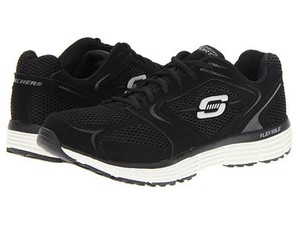
Why Choose Sneakers?
While the sneaker will remain a staple in sports like running, football, cross training, and climbing, it has certainly moved outside of its traditional zone in recent decades. Because of the increased popularity of certain sports and the idolization of certain athletes, a number of sports shoes have gone from a practical, purposeful item to a badge of honor.
Information provided through technology and the study of kinesthetics has increased since the beginning of the 20th century, making modern athletic shoes some of the most advanced ever. Air cushioning, better support, and lighter overall weight have meant that runners are more protected on the track. The increased level of effective grip on the soles of specialist climbing shoes, combined with their excellent flexibility, has made the ascent of sheer cliffs a much easier and safer task.
Whether a buyer is seriously involved in sports culture or is simply looking for a way to improve his wardrobe, the sneaker combines style and comfort in one attractive package.
History of the Sneaker
Sneakers have roots that go as far back as 200 years, which may come as a surprise to many sports shoe enthusiasts. The development and production of the shoe over those years has been a purposeful and innovative one, involving the addition of many new materials, such as rubber, to the traditional world of shoes. Sneakers are a perfect example of necessity breeding invention, as detailed below.
Beginning of a Two Century Year Legacy
The very earliest sneakers appeared in the 1830s in Liverpool, England. They were manufactured as beachwear by the Liverpool Rubber Company, who had discovered that their rubber made an excellent non-slip sole. Combining this with a canvas upper, the Liverpool company began the sports shoe legacy.
The shoes were given the nickname "plimsolls" in the 1870s and were often also referred to as "sand shoes." Their invention led to the evolution of a much more complex and wide ranging industry, which started in earnest in the early 1900s. Usually, the companies responsible for manufacturing the shoes were also in the business of producing bicycle tires.
Early Sneaker Manufacturers
The very earliest sneakers were made by Spalding in 1907 and catered to the game of basketball. Soon other businesses followed suit, making an initially specialized market into a competitive one within the course of only a decade. A renewed interest in active sports grew in part because of the revival of the Olympic Games at the end of the 19th century.
Keds were introduced in 1916 by the U.S. Rubber company, followed by the Converse All Star shoe in 1917. Both manufacturers sought to attract as much trade as possible from the basketball players of the day, though early customers also used them for other sports because of the relatively effective grip of the soles.
After the end of World War I, American society became focused on emotional and economic recovery. The ending of the war had generated a renewed interest in community activities and patriotism, and sports were encouraged as a wholesome activity. Because of this social change, the market for sneakers began growing at an exponential rate.

No comments:
Post a Comment